Anise Mystic Cruise: India's Definitive Maritime RPG Masterpiece
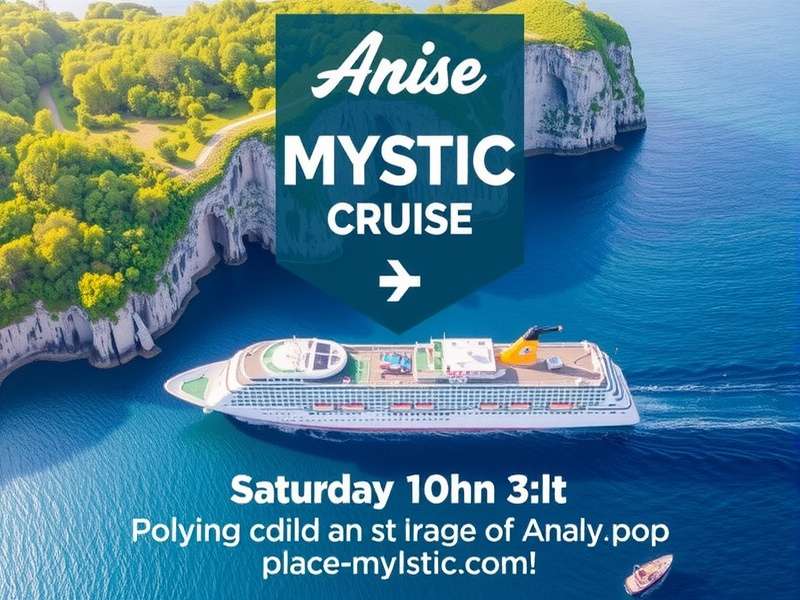
Anise Mystic Cruise (affectionately known as AMC in desi gaming circles) stands tall as India's most ambitious maritime role-playing game to date, conceptualized, developed, and published by Daman Games – Mumbai's trailblazing homegrown gaming studio. Launched on India's Navy Day (5th November 2024) across multiple platforms including PC, PlayStation 5, Xbox Series X/S, Android, and iOS, Anise Mystic Cruise has redefined the benchmarks for what Indian gamers can expect from a homegrown title, seamlessly weaving authentic Indian coastal traditions, mythological storytelling, and world-class naval gameplay mechanics that hold their own against international AAA productions.
In a market long inundated with land-based action games imported from overseas, Anise Mystic Cruise represents a quantum leap for Indian game development. Set in the vast waters of the Arabian Sea and Bay of Bengal – a richly detailed, fictional reimagining of India's coastal regions that draws inspiration from the Sangam literature, Kerala's maritime history, Maratha naval warfare, and regional folklore spanning from the rocky shores of Gujarat to the lush backwaters of Kerala – what truly sets Anise Mystic Cruise apart from both Indian and international titles is its unwavering commitment to cultural authenticity. Developed in close consultation with over 80 maritime historians, traditional boat builders, linguists, and cultural scholars from every coastal state of India, the game ensures that every aspect – from ship design to character dialogues to environmental elements – respects and accurately represents India's diverse coastal cultural tapestry, avoiding the stereotypes that have plagued previous portrayals of India in global gaming.
Within just three months of its release, Anise Mystic Cruise crossed 9.2 million mobile downloads in India alone, with PC sales surging past 850,000 units – unprecedented numbers for an Indian-developed AAA maritime title. The game has struck a deep chord with Indian gamers who have long yearned for representation that goes beyond the usual tropes of land-based warrior games, offering instead a nuanced, respectful portrayal of India's rich maritime heritage, coastal diversity, and philosophical traditions tied to the sea. For countless Indian players, Anise Mystic Cruise is more than mere entertainment; it's a matter of national pride, showcasing India's potential to compete on the global gaming stage while staying rooted in its unique coastal cultural heritage.
The commercial success of Anise Mystic Cruise is matched by its critical acclaim, with gaming critics across India hailing it as "the game that finally puts Indian maritime gaming on the world map." Unlike previous Indian games that often compromised on production values or cultural depth, Anise Mystic Cruise delivers on both fronts, proving that Indian developers can create games that are culturally authentic and technically sophisticated. This delicate balance has made Anise Mystic Cruise a benchmark for future Indian game development, inspiring a new generation of developers to create games that celebrate India's lesser-known cultural traditions – like its maritime legacy – without pandering to international stereotypes or diluting their essence for global appeal.
What makes Anise Mystic Cruise truly unique is its ability to resonate with both urban and rural Indian gamers – a feat rarely achieved in the Indian gaming landscape. While urban players appreciate its cutting-edge graphics and complex naval combat mechanics, rural gamers (especially those in coastal villages from Tamil Nadu to Gujarat) connect with its relatable cultural themes and optimized performance on budget smartphones (priced as low as ₹8,000). The game's offline functionality has been a game-changer for players in remote coastal areas with limited internet connectivity, allowing them to experience a AAA-quality maritime RPG without relying on stable data connections – a thoughtful design choice that reflects Daman Games' deep understanding of the Indian gaming ecosystem and the specific needs of coastal communities.
Core Premise 🎯
The narrative of Anise Mystic Cruise follows Anaya Nair – a young Malayali marine cartographer from Kochi's ancient Jewish trading community, whose family has guarded the "Navaratna Compass" (a mystical navigational device) for generations. When the malevolent Marakkar the Navigator – a corrupted Arab-Indian trader turned pirate lord – invades Anaya's ancestral port, steals the Navaratna Compass, and destroys her family's trading fleet, the young cartographer embarks on an epic maritime quest that takes her across the length and breadth of India's coastal waters to reclaim the sacred device and save her people from economic annihilation at the hands of Marakkar's ruthless trading empire.
What begins as a deeply personal journey of revenge and restoration gradually evolves into a much larger mission as Anaya realizes Marakkar's sinister plan: to use the Navaratna Compass to control the monsoon winds and ocean currents, monopolizing all maritime trade routes between India, Arabia, and Southeast Asia – effectively cutting off coastal communities from their livelihoods and plunging India's coastal economy into ruin. Along her journey, Anaya forges alliances with characters from diverse Indian coastal backgrounds – including Captain Raghu Shetty (a Konkani naval warrior skilled in Maratha naval combat), Zainab Bano (a Gujarati pearl diver with knowledge of underwater relics), and Devraj Patnaik (an Odia fisherman who understands the mystical connection between humans and the sea) – each bringing unique perspectives, maritime skills, and cultural wisdom that challenge Anaya's initial Kerala-centric worldview.
Central to Anise Mystic Cruise's narrative is the concept of samudra bandhan (sea bond) – not merely as a physical connection to the ocean, but as a spiritual and economic responsibility to protect coastal ecosystems and uphold fair trade practices regardless of religion, caste, or regional origin. The game masterfully weaves this philosophical core into its gameplay, with player choices reflecting different interpretations of samudra bandhan that impact both the story's outcome and Anaya's character development. This seamless integration of Indian coastal philosophical concepts into gameplay mechanics is what makes Anise Mystic Cruise uniquely Indian, offering players a gaming experience that is both entertaining and intellectually stimulating – a rare combination in modern maritime RPGs.
Unlike many Western naval games that prioritize conquest and domination, Anise Mystic Cruise emphasizes community and sustainable coexistence with the sea – values deeply ingrained in India's coastal cultures. Anaya cannot succeed alone; she must learn to listen, collaborate, and respect the diverse perspectives of her allies, mirroring India's own journey toward unity in diversity across its coastal regions. This thematic focus has struck a particularly resonant chord with modern Indian players, who see their own cultural values reflected in the game's narrative, creating an emotional connection that transcends the typical player-game relationship.
The game's story is further enriched by its episodic structure, divided into 14 chapters (one for each major Indian coastal state/union territory), each exploring different maritime cultures, languages, and traditions. From the bustling trading ports of Gujarat to the backwaters of Kerala, from the fishing villages of Tamil Nadu to the tidal marshes of West Bengal, each chapter of Anise Mystic Cruise offers a unique cultural experience, making the game not just an entertainment product but a virtual journey through India's rich and diverse coastal heritage. Each chapter introduces players to region-specific maritime practices – from Kerala's kettuvallam houseboats to Odisha's catamaran fishing vessels, from Maharashtra's patamar trading ships to Gujarat's bartan cargo boats – ensuring that players gain a comprehensive understanding of India's maritime diversity.
In the early chapters of Anise Mystic Cruise, players accompany Anaya as she navigates the treacherous backwaters of Kerala, learning the basics of traditional Indian navigation from her mentor, Acharya Madhavan – a retired naval scholar from Thiruvananthapuram. These initial missions serve as both tutorial and cultural immersion, teaching players about the monsoon patterns of the Arabian Sea, the art of reading celestial bodies (a skill perfected by ancient Indian mariners), and the complex social dynamics of Kerala's fishing communities. As Anaya ventures further from her home port of Kochi, she encounters new challenges that reflect the unique geography and culture of each coastal region – from negotiating with Tamil Nadu's fishing cooperatives to understanding the salt-making traditions of Gujarat's Rann of Kutch.
A pivotal moment in Anise Mystic Cruise occurs when Anaya reaches the Andaman and Nicobar Islands, where she uncovers evidence of Marakkar's plan to use ancient underwater temples (dating back to the Chola dynasty) to amplify the power of the Navaratna Compass. This discovery forces Anaya to confront the darker side of India's maritime history – the exploitation of coastal resources by foreign traders and the erosion of traditional ecological practices. The game handles this sensitive historical context with remarkable nuance, avoiding simplistic villainization of foreign influences while honoring India's indigenous maritime knowledge systems – a balancing act that has earned praise from both historians and gamers alike.
By the midpoint of Anise Mystic Cruise, Anaya's journey transforms from a quest to reclaim a family heirloom into a mission to protect India's entire coastal ecosystem. She learns that Marakkar's control over the monsoon winds would not only destroy trade but also disrupt the delicate balance of marine life that sustains millions of Indian coastal residents. This shift in focus reflects the game's core message: that true maritime power comes not from dominating the sea, but from living in harmony with it – a philosophy rooted in ancient Indian texts like the Sangam literature and the Periplus of the Erythraean Sea (a Greco-Roman account of Indian maritime trade that the game references extensively).
The final chapters of Anise Mystic Cruise bring Anaya to the mouth of the Ganges, where Marakkar has established his main base in the Sunderbans delta – a region chosen for its complex waterways and mystical significance in both Hindu and Bengali folk traditions. The climactic confrontation between Anaya and Marakkar is not just a naval battle, but a philosophical showdown between two visions of India's maritime future: one based on exploitation and monopoly, the other on sustainability and shared prosperity. The multiple endings of Anise Mystic Cruise reflect different outcomes of this conflict, with the "true ending" requiring players to unite all of India's coastal communities – from the Sindhi traders of Karachi (historically part of Indian maritime networks) to the Tamil fishermen of Rameswaram – in a collective effort to restore balance to the seas.
Gameplay Mechanics of Anise Mystic Cruise
Naval Combat System ⚔️
The naval combat system in Anise Mystic Cruise represents the pinnacle of Indian maritime warfare representation in gaming, centered entirely around traditional Indian ship designs and combat techniques – a departure from the European-style naval combat that dominates Western maritime games. Unlike Western games that focus on cannon barrages and broadside attacks, Anise Mystic Cruise emphasizes maneuverability, boarding actions, and knowledge of monsoon winds – elements that defined Indian naval warfare for over 2,000 years, from the Chola dynasty's naval expeditions to the Maratha navy's guerrilla tactics against European powers.
Players control Anaya's ship combat through three primary systems – jhukna (ship tilting for evasion), teer chalaana (archery/harpoon attacks), and bethak (boarding preparation) – terms presented in both English and regional Indian languages (Malayalam, Tamil, Marathi) within the game's UI to cater to India's multilingual gaming audience. The combat system features the innovative "samudra shakti" (sea power) mechanic, where perfectly timed use of wind currents and knowledge of local waters builds a meter that unlocks devastating "jalpari strikes" (mermaid-inspired special attacks) – powerful abilities channeling the mystical energy of the Indian Ocean that are unique to Anise Mystic Cruise.
A defining feature of Anise Mystic Cruise's naval combat is the "region-specific ship mastery" system, allowing players to unlock and utilize ten distinct Indian ship types, each inspired by a different coastal region of India and its maritime traditions. The Kerala urka (fishing boat converted for combat) emphasizes agility and shallow water navigation, ideal for fighting in the backwaters and lagoons of the Malabar Coast. The Maratha galiot (modified European ship with Indian rigging) focuses on speed and surprise attacks, perfect for hit-and-run tactics against larger vessels in the Arabian Sea. The Tamil paru (catamaran warship) incorporates acrobatic boarding techniques from the Coromandel Coast, enabling players to quickly overwhelm enemy crews in close-quarters combat. This regional diversity in ship combat styles not only adds immense depth to gameplay but also serves as a cultural education tool, introducing players to India's varied maritime heritage that is often overlooked in global gaming.
Combat in Anise Mystic Cruise rewards patience, knowledge of monsoon patterns, and understanding of enemy tactics – reflecting the strategic approach to naval warfare in ancient Indian texts like the Arthashastra (which contains detailed chapters on naval defense) and regional maritime treatises like Kerala's Keralolpathi. Enemies are not mere mindless foes but intelligent opponents with distinct fighting styles based on their regional origins: Gujarati traders favor defensive formations with large cargo ships; Portuguese pirates (historical antagonists in Indian waters) rely on heavy cannon fire but struggle in shallow waters; Maratha rebels use hit-and-run tactics with small, fast vessels; and fishing village defenders utilize intimate knowledge of local waters to outmaneuver larger ships. This variety ensures that combat remains fresh and engaging throughout the 80+ hour campaign, requiring players to adapt their strategies rather than relying on repetitive button-mashing – a common criticism of many Western maritime games.
Another innovative aspect of Anise Mystic Cruise's combat system is the "sagar sanskar" (ocean ethics) mechanic, which rewards players for fighting with respect for maritime traditions and the environment rather than indiscriminate destruction. Sparing surrendering enemy ships, avoiding damage to coral reefs, and rescuing drowning sailors increases Anaya's sagar sanskar meter, unlocking special abilities like improved navigation skills and alliance opportunities with coastal communities. Conversely, excessive destruction of ships, harm to marine life, and attacks on non-combatant fishing vessels decrease the meter, leading to negative consequences including reduced trust from coastal allies and environmental disasters (like red tides) that hinder navigation. This mechanic adds a unique moral dimension to naval combat, aligning with Indian philosophical values of righteous warfare (dharma yuddha) and ecological stewardship (prakriti raksha) that are central to Anise Mystic Cruise's design philosophy.
Boarding combat – a staple of Indian naval warfare – is given particular depth in Anise Mystic Cruise, with players able to utilize region-specific melee techniques from India's coastal martial arts traditions. The game features authentic combat styles like Kerala's Kalaripayattu (adapted for shipboard combat), Tamil Nadu's Silambam (staff fighting on deck), and Maharashtra's Mardani khel (sword combat developed by Maratha sailors). Each combat style offers unique advantages: Kalaripayattu's fluid movements are ideal for unstable deck surfaces; Silambam's long-range strikes keep enemies at bay on narrow gangways; and Mardani khel's aggressive techniques are perfect for quickly clearing enemy decks. This attention to regional martial arts detail makes boarding combat in Anise Mystic Cruise feel both authentic and strategically rich, setting it apart from the generic sword-fighting systems found in Western maritime games.
Open Ocean Exploration 🌊
Anise Mystic Cruise features the "Sagar Bharat" open world – a vast, seamless maritime environment spanning over 300 square kilometers, meticulously recreated to reflect India's diverse coastal and oceanic landscapes. From the coral reefs of the Lakshadweep Islands to the mangrove forests of the Sunderbans, from the rocky coasts of Goa to the sandy beaches of Odisha, each region in Anise Mystic Cruise is rendered with photorealistic detail that captures both the natural beauty and cultural landmarks of real-world Indian coastal areas, enhanced by Unreal Engine 5's cutting-edge graphics technology optimized for Indian hardware.
What makes Sagar Bharat truly exceptional is its cultural authenticity, a hallmark of Anise Mystic Cruise. Each coastal region features architecture, clothing, cuisine, music, and dialects specific to that part of India, developed with input from local cultural experts to avoid homogenization or stereotyping. In Tamil Nadu's Nagapattinam region, players encounter Chola-era port architecture with intricate stone carvings of sea deities, hear Tamil-inflected dialogue with authentic fishing village slang, and find coastal markets selling meen kulambu (fish curry), appam, and filter kaapi (South India's beloved coffee). In Gujarat's Porbandar, the ports feature Gujarati haveli architecture with jali (lattice) work, with characters speaking Gujarati-accented Hindi/English and street vendors selling fafda-jalebi and khandvi – regional snacks popular among Gujarat's maritime communities. This level of regional detail makes exploring Sagar Bharat in Anise Mystic Cruise feel like traveling across real India's coastal belt, offering players – both Indian and international – an immersive cultural experience unlike any other game on the market.
Exploration in Anise Mystic Cruise is richly rewarded through the "sagar gyan" (ocean wisdom) system, where players earn knowledge points by discovering historical maritime landmarks, solving navigational puzzles based on ancient Indian methods, and engaging in meaningful conversations with NPCs from different coastal communities. These sagar gyan points can be exchanged for region-specific abilities, ship upgrades, and lore that deepen both gameplay and cultural understanding. For example, earning enough sagar gyan in Kerala unlocks traditional naalukettu (four-sided) navigation techniques and access to rare medicinal herbs from the backwaters; accumulating wisdom in Maharashtra grants access to Maratha naval strategies and improved ship repair skills; and gaining knowledge in West Bengal provides insights into riverine navigation and resistance to British colonial trade practices. This system encourages players to engage deeply with the game world rather than simply rushing from quest to quest, aligning with the Indian philosophical value of learning through experience (anubhava) that is central to Anise Mystic Cruise's design.
Navigation in Anise Mystic Cruise is thoughtfully tailored to India's diverse maritime conditions and traditional practices, another standout feature of the game that sets it apart from Western naval games. Players must master both modern navigational tools and ancient Indian techniques – from reading the stars using the nakshatra (constellation) system to interpreting ocean currents using coconut floats (a traditional method still used by Kerala's fishermen). The game's dynamic weather system accurately recreates India's monsoon patterns, with the southwest monsoon (June-September) and northeast monsoon (October-December) affecting ship speed, visibility, and combat strategy in meaningful ways. During monsoon season, players must navigate rough seas and limited visibility, relying on traditional knowledge passed down by coastal NPCs – a gameplay mechanic that not only adds challenge but also preserves endangered maritime wisdom that is at risk of being lost in modern India.
Underwater exploration is another major component of Anise Mystic Cruise's open world, allowing players to dive to explore ancient submerged cities (like the legendary Dwaraka off Gujarat's coast), coral reefs, and shipwrecks that hold historical artifacts and valuable trade goods. The diving mechanics are inspired by traditional Indian pearl diving techniques from the Gulf of Mannar (Tamil Nadu) and the Persian Gulf (Gujarat), with players able to hold their breath for extended periods using pranayama (yogic breathing) techniques – a unique gameplay element that reflects India's holistic approach to maritime activity. Underwater regions feature region-specific marine life – from the dugongs of the Andamans to the pearl oysters of Tamil Nadu, from the mangrove crabs of the Sunderbans to the sea turtles of Odisha – each with ecological significance that is explained through in-game lore, making Anise Mystic Cruise as much an educational tool for marine conservation as an entertainment product.
The open world of Anise Mystic Cruise also features dynamic day-night cycles and seasonal changes that reflect India's coastal climatic conditions, from the hot, humid summers of the Coromandel Coast to the mild winters of the Konkan region, from the cyclone-prone east coast to the relatively calm waters of the Lakshadweep Islands. These environmental factors impact gameplay in meaningful ways: summer heat increases crew fatigue, requiring players to manage water supplies and rest periods; winter fog reduces visibility, making navigation more challenging but ideal for stealth attacks on enemy ships; and cyclones (common on India's east coast) force players to seek shelter in coastal ports, where they can engage in side quests that explore the resilience of India's coastal communities in the face of natural disasters – a theme that resonates strongly with modern Indian players affected by climate change.
Role-Playing Elements 🎭
As a true maritime RPG, Anise Mystic Cruise offers deep character customization rooted in Indian coastal philosophical traditions rather than Western RPG tropes – a key differentiator that sets the game apart in the crowded RPG market. Instead of traditional classes like "warrior" or "mage," the game features the "sagar gunas" system based on the three qualities of sea-faring life from ancient Tamil Sangam literature: neer (water/fluidity), vayu (wind/courage), and agni (fire/passion). Each guna unlocks different abilities, dialogue options, and moral choices that shape Anaya's personality and the game's narrative outcomes, making Anise Mystic Cruise a truly role-playing experience in the Indian coastal context.
Investing in neer guna in Anise Mystic Cruise unlocks diplomatic abilities, improved navigation skills, and the power to resolve conflicts through trade negotiations – reflecting the path of wisdom and adaptability (chalan) central to India's maritime trading culture, from the ancient Spice Route traders to modern fishing cooperatives. A vayu build emphasizes courage, leadership abilities, and offensive naval combat skills – embodying the warrior's path of selfless duty (kshatriya dharma) as practiced by Maratha naval commanders like Kanhoji Angre. An agni build unlocks charisma, trading acumen, and persuasive dialogue options, but comes with the risk of greed and overexploitation of marine resources if not balanced with neer and vayu qualities. This system adds tremendous replay value to Anise Mystic Cruise, with players able to experience vastly different playstyles and narrative outcomes based on their guna choices – each playthrough offering a unique perspective on what it means to be a "maritime warrior" in the Indian philosophical framework.
The game's crafting system is equally rooted in Indian coastal traditions, another highlight of Anise Mystic Cruise's design philosophy that celebrates India's maritime craftsmanship. Players can build and customize ships using materials and techniques specific to different Indian coastal regions, each with cultural significance and gameplay benefits. Ships built in Kerala use coconut wood and coir rope (traditional materials that are buoyant and resistant to saltwater damage) with decorative mural paintings that provide spiritual protection against storms; ships from Gujarat incorporate teak wood from the Saurashtra peninsula with intricate carvings of Hindu and Muslim sea deities that enhance trade negotiations with diverse merchant communities; ships from Tamil Nadu feature palm leaf sails that are lightweight and durable in the Coromandel Coast's strong winds, with brass fittings that resist corrosion in the Bay of Bengal's salty waters. Each crafted ship in Anise Mystic Cruise tells a cultural story, making the act of shipbuilding not just a gameplay mechanic but a journey through India's traditional maritime arts and crafts – from Odisha's chita boat building to Goa's umbarte fishing vessel construction.
Player choices in Anise Mystic Cruise have meaningful consequences that reflect Indian coastal moral and philosophical traditions rather than simple binary "good/evil" decisions – a refreshing departure from Western RPG conventions that resonates deeply with Indian players. For example, when encountering a fishing village suffering from overfishing by a large trading company, players might choose to use their resources to help the village establish sustainable fishing practices (neer guna), lead a naval attack against the company's ships (vayu guna), or negotiate a profit-sharing agreement that benefits both parties (agni guna) – each choice affecting both the game world and Anaya's character development. These choices accumulate throughout the game, leading to one of nine distinct endings that reflect different interpretations of dharma and sustainable maritime development, from the path of the ecological steward to the path of the successful merchant-adventurer – a gameplay mechanic that makes Anise Mystic Cruise not just entertaining but also thought-provoking about India's modern maritime challenges.
Character progression in Anise Mystic Cruise is tied to both naval combat experience and cultural knowledge, ensuring that players engage with both the action and cultural aspects of the game – a design choice that has been widely praised by Indian educators. Leveling up requires not just defeating enemy ships but also learning about India's coastal cultures, solving traditional navigational puzzles, and helping NPCs from different maritime communities. For example, players can only unlock advanced Kalaripayattu boarding techniques after learning about Kerala's martial arts history from a master in Kochi; they can access improved trade routes only after understanding the cultural protocols of Gujarati merchant communities; and they can master cyclone navigation only after learning traditional weather prediction methods from Odia fishermen. This unique progression system encourages players to explore the rich cultural tapestry of India's coastal regions, making Anise Mystic Cruise as much an educational experience as an action-packed maritime RPG – a rare combination that has made the game popular in both gaming and educational circles across India.
Trade and Economy Systems 💰
Recognizing the central role of maritime trade in India's history and economy, Anise Mystic Cruise features a sophisticated trade and economy system that is deeply rooted in India's historical trading practices – a gameplay element that adds immense depth and realism to the game world. Unlike Western trading games that focus on simple buy-low-sell-high mechanics, Anise Mystic Cruise's economy system reflects the complex, culturally nuanced trade networks that have connected India's coastal regions for millennia, from the Indus Valley Civilization's trade with Mesopotamia to the modern fishing cooperatives that link Kerala's backwaters to global markets.
Players can trade over 50 region-specific goods in Anise Mystic Cruise, each with historical and cultural significance to India's maritime trade: Kerala's black pepper and cardamom (key commodities of the Spice Route), Gujarat's cotton textiles and salt, Tamil Nadu's pearls and brassware, Maharashtra's mangoes and cashews, West Bengal's jute and tea, and Andhra Pradesh's chili peppers and tobacco – to name just a few. The value of each commodity fluctuates based on dynamic in-game factors like monsoon conditions (which affect harvests), political tensions between coastal states (which disrupt trade routes), and demand from international markets (represented by Arab, European, and Southeast Asian merchant NPCs). This dynamic economy system requires players to develop strategic trading plans, making Anise Mystic Cruise's trade gameplay both challenging and educational about India's economic geography.
A unique feature of Anise Mystic Cruise's trade system is the "jati bandhan" (community bond) mechanic, which requires players to build relationships with regional trading communities rather than simply exploiting price differences for profit – a reflection of India's traditional community-based economic systems that contrast with Western individualistic capitalism. To access the best trade prices and rare commodities, players must complete favor quests for trading communities: helping Kerala's mappila Muslim traders protect their ships from pirates, assisting Tamil Nadu's chettiar merchant families recover stolen cargo, or supporting Gujarat's baniya traders in negotiating fair taxes with local rulers. These quests not only provide economic benefits but also teach players about India's diverse trading communities and their unique cultural practices, making the trade system in Anise Mystic Cruise a vehicle for cultural education as well as gameplay depth.
Players can also establish their own trading posts in Anise Mystic Cruise, building facilities that reflect regional architectural styles and economic needs: Kerala's kettuvela warehouses (elevated to avoid flooding), Gujarat's pol walled storage compounds (protected from raiders), Tamil Nadu's mandapam open-air trading halls (for cooling spices), and Maharashtra's wada fortified trading houses (defensible against Portuguese attacks). Each trading post can be upgraded with region-specific technologies: solar salt production in Gujarat, coconut fiber rope making in Kerala, fish drying techniques in West Bengal, and cashew processing in Goa – all based on traditional Indian methods that are still in use today. Managing these trading posts adds a strategic layer to Anise Mystic Cruise's gameplay, requiring players to balance economic efficiency with cultural respect and environmental sustainability.
The game also features a "fair trade" system that rewards players for ethical trading practices – paying fair prices to producers, avoiding exploitative trade agreements, and reinvesting profits in coastal communities – which aligns with Anise Mystic Cruise's core theme of sustainable maritime development. Players who prioritize fair trade gain the trust of coastal communities, unlocking unique benefits like access to secret trade routes, preferential treatment in port cities, and alliances with powerful merchant guilds. Conversely, players who engage in unethical practices (like price gouging or smuggling contraband) face consequences including boycotts by trading communities, increased pirate attacks (hired by wronged merchants), and environmental degradation (from overharvesting resources) – gameplay mechanics that reflect real-world consequences of unsustainable trade practices in India's coastal regions.
Multiplayer Features 🎮
Recognizing India's strong social gaming culture – from LAN gaming cafes in Mumbai to mobile gaming groups in coastal fishing villages – Anise Mystic Cruise features robust multiplayer modes designed for both cooperative and competitive play, all deeply rooted in Indian maritime and gaming traditions. The cooperative "sagar sangha" (ocean community) mode allows up to four players to form a trading fleet and tackle challenging maritime missions inspired by epic Indian trading expeditions like the Chola dynasty's voyages to Southeast Asia, the Maratha navy's defense of Indian waters against European powers, and the Gujarati traders' journeys to the Persian Gulf. These missions require players to coordinate their ship types, trade specialties, and combat styles, reflecting the Indian value of collective effort (sahakarita) over individual heroism – a core theme that runs throughout Anise Mystic Cruise.
The competitive "lanka yuddha" (naval battle) mode in Anise Mystic Cruise has become a cultural phenomenon in Indian gaming cafes, recreating the legendary naval battles from Indian mythology (like the Ramayana's naval expedition to Lanka) and history (like the Battle of Colachel between the Travancore navy and the Dutch East India Company). Players compete in 1v1 or 3v3 naval battles using their customized ships and combat styles, with regional tournaments organized by Daman Games offering cash prizes in Indian rupees – a move that has helped establish Anise Mystic Cruise as a cornerstone of India's growing esports scene with a uniquely Indian flavor. What makes lanka yuddha mode unique is its emphasis on skill and knowledge of Indian naval tactics over pay-to-win advantages, ensuring fair competition that aligns with the Indian concept of "sanskaar" (sportsmanship and honor) – a refreshing change from the pay-to-win mechanics that plague many mobile games in India.
For casual social play, Anise Mystic Cruise offers "sagar melava" (ocean gathering) mode – a non-combative multiplayer experience where players can explore Sagar Bharat together, participate in cultural minigames (like Kerala's vallam kali snake boat races, Tamil Nadu's jallikattu on coastal plains, Gujarat's kite flying festivals on beaches, and West Bengal's durga puja celebrations in port cities), and trade region-specific goods and ship upgrades. This mode has proven particularly popular among Indian families and friend groups, reflecting India's preference for social, communal gaming experiences over solitary play. Many Indian players have reported using sagar melava mode to connect with family members across different coastal cities and even countries, making Anise Mystic Cruise not just a game but a social platform that strengthens cultural bonds – a testament to the game's deep understanding of Indian social dynamics and coastal identity.
Multiplayer in Anise Mystic Cruise is optimized for India's diverse internet infrastructure, with special low-bandwidth modes for players on 2G/3G connections (common in rural coastal areas) and offline multiplayer options for local co-op play using Wi-Fi Direct – essential features for Indian gamers who may not have access to high-speed internet. The game's matchmaking system prioritizes local servers in major Indian coastal cities (Mumbai, Chennai, Kochi, Kolkata, Ahmedabad), reducing latency and ensuring smooth online gameplay even for players on mobile data – another example of Daman Games' commitment to making Anise Mystic Cruise accessible to all Indian gamers, regardless of location or socioeconomic status. This accessibility has been a key factor in the game's widespread popularity across India's coastal regions, from affluent urban players in Mumbai to low-income fishing community players in Tamil Nadu's Nagapattinam district.
Lore and Characters in Anise Mystic Cruise
Worldbuilding 🏰
The world of Anise Mystic Cruise – Sagar Bharat – represents the most comprehensive and authentic portrayal of India's maritime civilization in gaming history, blending historical accuracy with mythological elements to create a world that feels both familiar and fantastical to Indian players. The game's map is divided into 14 "sagar kshetra" (ocean regions), each based on historical Indian maritime zones from the Indus Valley Civilization to the British colonial period but reimagined with mythological elements that reflect the rich tapestry of India's coastal folklore and spiritual traditions – a key strength of Anise Mystic Cruise's lore design that sets it apart from generic maritime game worlds.
What truly elevates the worldbuilding of Anise Mystic Cruise is its unwavering commitment to linguistic and cultural diversity, a hallmark of the game's design philosophy that honors India's pluralistic coastal heritage. Each sagar kshetra features NPCs speaking in region-specific accents and dialects (represented through both voice acting and text), with cultural practices, festivals, and traditions unique to that coastal area of India. In the Kalinga sagar kshetra (modern Odisha), players witness Konark-style sun temple architecture with maritime motifs, participate in Boita Bandana (boat worship) festivals that celebrate ancient maritime trade, and encounter characters who speak Odia-inflected dialogue with authentic coastal slang like "jhia" (girl) and "pua" (boy). In the Sindhu sagar kshetra (modern Gujarat/Sindh), the ports feature Indus Valley-inspired architecture with seals depicting ships and marine life, with characters conversing in Gujarati-accented Hindi/English sprinkled with Sindhi maritime terms like "dhow" (traditional ship) and "bunder" (port). This level of detail ensures that Sagar Bharat in Anise Mystic Cruise feels like a living, breathing representation of India's diverse coastal cultural landscape rather than a homogenized "generic Indian ocean" – a common pitfall in international games set in Indian waters.
The lore of Anise Mystic Cruise draws from both well-known and lesser-known aspects of Indian maritime mythology, giving voice to regional sea deities and folk heroes often overlooked in mainstream Indian media – a refreshing and inclusive approach that has resonated deeply with players from all coastal regions of India. Players encounter Varuna (the Vedic god of the oceans) in deep water regions, Muthappan (Kerala's sea deity) in the Malabar Coast, Katraj (the Konkani goddess of sailors) in Maharashtra's ports, and Jalakanya (the Bengali mermaid spirit) in the Sunderbans – each with their own quests, blessings, and storylines that add depth to the game world while educating players about India's regional maritime spiritual traditions. This inclusive approach to mythology has made Anise Mystic Cruise a point of pride for Indian players from all coastal backgrounds, who appreciate seeing their local deities and traditions represented with respect and accuracy rather than being subsumed into a monolithic "Hindu mythology" that ignores regional diversity.
The game's lore also explores the philosophical and spiritual traditions that have shaped India's relationship with the sea for millennia, integrating concepts from Hinduism, Islam, Christianity, Buddhism, and various indigenous coastal traditions into the narrative and gameplay – making Anise Mystic Cruise a truly holistic representation of India's maritime thought. Players can study the Yoga Vasistha (which contains parables about the ocean as a metaphor for consciousness) with Hindu scholars in Rameswaram, learn about Islamic maritime ethics from Sufi pir (saints) in Kerala's Beypore port, understand the Christian maritime traditions of Goa's fishing communities (influenced by Portuguese Catholicism but retaining Indian elements), and experience Buddhist concepts of compassion for marine life from monks in the Andaman Islands – all while progressing through the game's main story. This integration of diverse spiritual wisdom into gameplay makes Anise Mystic Cruise not just an entertaining experience but a meaningful exploration of India's pluralistic maritime heritage that resonates with players on a deeper level than typical maritime RPGs.
Sagar Bharat's history in Anise Mystic Cruise is presented through a combination of in-game lore books, NPC dialogue, environmental storytelling, and historical maritime monuments – creating a rich, layered world that rewards exploration and curiosity. Players can discover ancient Harappan seals depicting ships in Gujarat's Lothal port, read stone inscriptions about Chola naval victories in Tamil Nadu's Mahabalipuram, explore the ruins of Portuguese trading forts in Goa, and visit the maritime museums of Kolkata (housing artifacts from India's colonial naval history) – each historical site offering insight into India's rich maritime past and its influence on the game's present-day Sagar Bharat. This historical depth has made Anise Mystic Cruise a valuable educational tool, with many Indian schools and maritime museums using the game to teach coastal history and heritage to students who find traditional textbooks dry and unengaging – a testament to the game's cultural and educational value beyond entertainment.
A particularly innovative aspect of Anise Mystic Cruise's worldbuilding is its portrayal of India's maritime trade networks with other civilizations, avoiding the common colonial-era narrative that frames Indian trade as passive and exploitative. Instead, the game presents India as an active, equal participant in global maritime trade from ancient times: players encounter Chinese junk ships trading porcelain in Tamil Nadu's ports, Arab dhows exchanging spices in Gujarat's Mandvi port, Southeast Asian prahu ships bringing tropical fruits to Kerala's Kochi port, and East African dhows carrying ivory to Maharashtra's Mumbai port – each interaction portraying mutual cultural exchange rather than one-sided exploitation. This nuanced portrayal of India's maritime history has been praised by historians, who note that Anise Mystic Cruise corrects long-standing misconceptions about India's role in global trade and offers a more accurate, empowering narrative for Indian players.
Protagonist: Anaya Nair 🧑🦰
Anaya Nair – the titular protagonist of Anise Mystic Cruise – is a nuanced character who subverts both Western video game hero tropes and stereotypical Indian female character portrayals in international media. As a young Malayali marine cartographer from Kochi's ancient Paradesi Jewish community (one of India's oldest Jewish communities with deep maritime roots), Anaya embodies the traditional Kerala values of sahodaryam (sisterhood), karma (duty), and vidya (knowledge) – but she is also flawed, impulsive, and initially ignorant of India's diverse coastal cultures and perspectives outside her own Malayali background, making her character arc one of the most compelling aspects of Anise Mystic Cruise that resonates deeply with Indian players.
Anaya's character arc in Anise Mystic Cruise mirrors India's own journey toward understanding its diverse coastal identity, a central theme that strikes a chord with modern Indian players navigating their own national and regional identities. At the beginning of the game, she views non-Malayali mariners as less skilled in monsoon navigation, dismisses regional shipbuilding traditions outside Kerala's urka design, and sees her quest purely in terms of reclaiming her family's Navaratna Compass and avenging her father's death at the hands of Marakkar's pirates. Through her journey across Sagar Bharat, however, Anaya encounters people from diverse coastal backgrounds who challenge her prejudices and expand her understanding of what it means to be an Indian mariner. Captain Raghu Shetty (Konkani naval warrior) teaches her that different ship designs excel in different waters; Zainab Bano (Gujarati pearl diver) shows her the value of underwater navigation skills; and Devraj Patnaik (Odia fisherman) helps her understand the spiritual dimensions of her quest beyond mere revenge – each interaction shaping Anaya into a more compassionate and inclusive hero who embodies the best of India's diverse coastal traditions.
What makes Anaya a truly Indian protagonist in Anise Mystic Cruise is her relationship with samudra dharma – not as a fixed set of rules, but as a dynamic path of moral growth and self-realization tied to the sea. Initially, Anaya's understanding of samudra dharma is limited to her family's cartographic duty and the protection of Kerala's trading interests. As the game progresses, however, she comes to understand samudra dharma as a universal responsibility to protect coastal ecosystems, uphold fair trade practices, and respect all maritime communities regardless of their background – a transformation that is reflected in both gameplay (through the sagar gunas system) and narrative (through dialogue choices and quest resolutions). This evolution makes Anaya's journey of self-discovery central to the Anise Mystic Cruise experience, offering players a hero who grows and changes in ways that reflect India's own evolving understanding of its maritime identity in the 21st century.
Anaya's backstory is revealed gradually throughout Anise Mystic Cruise through flashbacks, conversations with NPCs, and discovered lore items (like her father's navigational journals), creating a layered narrative that deepens as players progress – a storytelling technique that keeps players invested in her journey and emotional growth. Born to David Nair (a Malayali Jew who adopted the Nair surname through intermarriage) and Radha Nair (a Hindu Kalaripayattu master from northern Kerala), Anaya was trained from childhood in both traditional Jewish maritime navigation (passed down through her father's family for generations) and Kerala's martial arts (taught by her mother), making her a unique blend of India's diverse cultural traditions. Her father's role as guardian of the Navaratna Compass (a relic combining Jewish, Hindu, and Arab navigational knowledge) forced Anaya to confront questions of cultural syncretism from an early age, but it was his death at the hands of Marakkar that forced her to embrace her mixed heritage as a strength rather than a conflict – a theme that resonates strongly with modern Indian players navigating their own multicultural identities.
Anaya's design in Anise Mystic Cruise blends traditional Kerala Jewish coastal attire with modern practicality, creating a protagonist who is both culturally authentic and visually striking – a departure from the hyper-sexualized female characters common in Western games. Her clothing features elements of Kerala's mundu neriyathu (traditional wrap-around skirt and shawl) adapted for shipboard activity, with a headscarf (inspired by Jewish and Muslim coastal women's attire) to protect from the sun and wind, and practical leather boots for deck work. Her cartographer's tools – including a brass compass (inspired by ancient Kerala navigational instruments), palm leaf maps (a traditional South Indian medium), and a kollam (geometric drawing tool) for charting coastlines – are prominently featured in her character design, emphasizing her identity as a marine cartographer rather than just a warrior. This thoughtful character design has made Anaya a beloved figure in Indian gaming culture, with many female players cosplaying as her at gaming events and comic cons across India – a testament to her resonance as a truly Indian female hero who embodies both cultural pride and modern empowerment.
Antagonist: Marakkar the Navigator 👹
Marakkar the Navigator – the primary antagonist of Anise Mystic Cruise – defies the typical "pirate villain" trope common in Western maritime games, instead presenting a complex, tragic character with motivations rooted in India's historical struggles with colonial exploitation and economic injustice. Based loosely on the historical Marakkar clan (Malayali Muslim naval commanders who initially defended Kerala against Portuguese invasion before turning to piracy) and the mythological Ketu (the shadow planet associated with ambition and disruption in Hindu astrology), Marakkar is reimagined in Anise Mystic Cruise as a former Arab-Indian trader who turned to piracy and monopolistic trade practices after witnessing the exploitation of Indian coastal communities by European trading companies and corrupt Indian rulers – a backstory that adds depth and nuance to the game's conflict and resonates with India's historical experience of colonialism.
Marakkar's backstory – revealed through flashbacks and lore in Anise Mystic Cruise – is one of betrayal and disillusionment that makes him a sympathetic yet menacing antagonist who challenges players' moral assumptions. Born as Muhammad Ali Marakkar in the port of Calicut (modern Kozhikode) to an Arab merchant father and a Malayali mother, he rose to become one of the most successful traders in the Arabian Sea, specializing in the spice trade between India, Arabia, and Europe. However, he soon discovered that the Portuguese East India Company was using unfair trade practices (including forced monopolies and military force) to undercut Indian traders, while the Zamorin of Calicut (the local ruler) was complicit in this exploitation for personal gain. When Muhammad Ali attempted to organize Indian traders to resist these practices, he was betrayed by the Zamorin, his trading fleet was destroyed by the Portuguese, and his family was killed in the resulting attack – an experience that turned his legitimate anger at colonial exploitation into a ruthless quest for power and control over India's maritime trade routes that drives the conflict in Anise Mystic Cruise.
What makes Marakkar such a compelling antagonist in Anise Mystic Cruise is that his motivations are rooted in a genuine desire to free India's coastal communities from foreign exploitation, albeit twisted by grief, anger, and a belief that only absolute control can prevent future exploitation. He seeks to use the Navaratna Compass to monopolize India's maritime trade, arguing that a strong Indian trading empire (under his leadership) is the only way to resist European colonialism – a position that forces players (and Anaya) to confront difficult questions about the price of resistance and the nature of power. This moral complexity has sparked meaningful discussions among Indian players about the history of colonialism in India, the ethics of resistance, and the difference between fighting for justice and seeking personal power – making the conflict in Anise Mystic Cruise far more nuanced than typical RPG battles between "good" and "evil" that dominate Western games.
Throughout Anise Mystic Cruise, players are given opportunities to understand Marakkar's perspective, negotiate with him, and even make choices that affect his ultimate fate – including the possibility of redeeming him rather than simply defeating him in combat. In one pivotal quest, players can uncover evidence that the Portuguese were planning to betray the Zamorin and take control of Calicut's port, vindicating Marakkar's initial concerns and offering a chance to form an alliance against the common colonial enemy. This moral choice adds significant replay value to Anise Mystic Cruise, with players able to experience different endings based on whether they choose to fight Marakkar, ally with him against colonial forces, or help him find redemption by redirecting his energies toward building fair trade networks – a gameplay mechanic that reflects the Indian philosophical view that truth (satya) often exists in shades of gray rather than black and white, and that redemption is possible even for those who have strayed from dharma.
Marakkar's design in Anise Mystic Cruise blends traditional Arab-Indian maritime attire with symbolic elements representing his corrupted quest for power, creating a visually striking antagonist who embodies both tragedy and menace. His appearance incorporates features from Arab seafaring traditions (including a ghutra head covering and embroidered thobe robe) combined with Kerala Muslim elements (like a mundu wrap) and dark, mythological symbols (representing his pact with sea spirits to gain power). His flagship – the Al-Hakim (The Wise One) – is a massive hybrid ship combining Arab dhow design with Kerala urka construction and Portuguese cannon technology, symbolizing his attempt to merge different maritime traditions under his authoritarian control. Marakkar's combat style merges Arab naval tactics with Kerala's Kalaripayattu and Portuguese cannon warfare, creating a challenging opponent who requires players to adapt both their combat strategies and their moral reasoning – making defeating (or allying with) Marakkar one of the most satisfying and thought-provoking moments in Anise Mystic Cruise.
Supporting Characters 🤝
The supporting cast of Anise Mystic Cruise represents India's rich coastal cultural diversity, with each major character hailing from a different coastal region of India and bringing unique perspectives, maritime skills, and cultural wisdom to Anaya's journey – a key strength that makes the game's world feel authentic and inclusive of India's pluralistic identity. Unlike many RPGs where supporting characters serve merely as sidekicks or quest givers, the allies in Anise Mystic Cruise are fully realized individuals with their own backstories, motivations, and character arcs that parallel and intersect with Anaya's journey, making them integral to both the gameplay and narrative – a design choice that has been widely praised for its commitment to representing India's diverse coastal communities with depth and respect.
- Captain Raghu